What is Paintless Dent Repair (PDR) & How Does It Work?
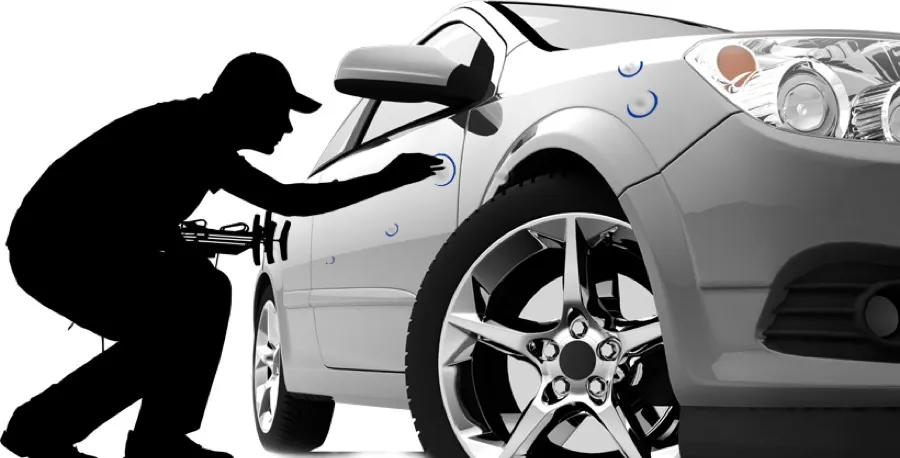
When your car gets hit by hail or a stray shopping cart in a parking lot, your first instinct is often to worry about the cost, the hassle of insurance, and how long your car will be stuck in a body shop. However, for the vast majority of door dings, creases, and storm damage, there is a better way: Paintless Dent Repair (PDR).
PDR is a highly specialized craft that eliminates dents from the inside out, preserving your vehicle's factory paint and structural integrity. Unlike traditional repair methods that rely on sanding, body fillers, and respraying paint, paintless dent repair works by understanding the physics of automotive metal and massaging it back to its original shape.
The Science Behind Metal Memory
Modern cars are manufactured using steel and aluminum alloy panels that are stamped into precise shapes in the factory. During this manufacturing process, the metal is given a structural "memory." When a dent occurs, the metal is not actually broken or stretched beyond its elastic limit; it is simply bent out of place.
Under the guidance of a master technician, the metal can be massaged back into its factory form because the molecular structure of the panel wants to return to its original shape. By applying precise, controlled pressure to the exact high and low points of the dent, the technician releases the tension and restores the panel's memory.
"Paintless Dent Repair isn't just a service—it's a blend of metallurgy and master-craftsmanship. By working from behind the panel, we restore the metal's memory without touching the paint."
The Specialized Tools of the PDR Trade
Because PDR does not use body fillers or paint, it requires custom-made, professional tools to access hard-to-reach areas inside the vehicle's body panels. A standard mobile PDR kit includes:
- Reflective LED Light Boards: These lights cast flat, parallel lines across the vehicle's panel. By watching how these lines bend or distort over a dent, the technician can pinpoint the exact tip of their tool behind the metal.
- Steel Massage Rods: Long, high-tensile steel rods of various shapes, curves, and tips designed to slide down window openings, behind fender liners, or through access ports to reach the back of the dent.
- Glue-Pulling Systems: Used when there is no access to the backside of a panel (such as on roof pillars). The technician glues a plastic tab to the center of the dent, then uses a slide hammer or mini-lifter to pull the metal outward before tapping down high spots.
Step-by-Step: How a Dent is Massaged Away
To successfully execute a repair, a master technician follows a meticulous four-step process:
- Accessing the Panel: The technician removes trim panels, lights, or fender liners to gain direct access to the back of the dented metal.
- Illuminating the Damage: The LED light board is placed at an angle, creating a shadow reflection that reveals the exact shape, depth, and boundary lines of the dent.
- Massaging the Metal: Using slow, microscopic pushes from behind, the technician pushes the lowest point of the dent up while using a specialized plastic knockdown tool to tap down high pressure rings on the front.
- Blending and Finishing: The technician inspects the panel from multiple angles under light, blending the metal texture until the factory orange-peel finish is restored and the dent is completely invisible.
Why PDR is the Best Option
Paintless Dent Repair is preferred by auto manufacturers, insurance companies, and luxury car collectors alike. It is faster, cheaper, and more reliable than traditional body shop work. Best of all, it keeps your vehicle's factory paint intact, preventing rust, keeping your CARFAX report clean, and maximizing your car's resale value.
Frequently Asked Questions
How exactly does a technician remove a dent without paint? ➔
A technician accesses the backside of the dented panel and uses custom-designed steel rods to apply slow, incremental, and highly controlled pressure. By reading the reflection of a specialized LED light board on the car's exterior, the technician massages the stretched metal back into its original factory alignment.
Can you do paintless dent repair on aluminum body panels? ➔
Yes. While aluminum is a stiffer metal with less natural memory than steel, PDR can be performed successfully on aluminum panels. It requires a highly experienced technician who understands how aluminum behaves and can apply the specialized heat and force required to restore it safely.
Is paintless dent repair permanent? ➔
Yes, PDR is completely permanent. Because the metal is massaged back to its original shape and locked in place through its natural structural memory, the dent will never return or pop back. We back this with a lifetime workmanship warranty.