The True Cost of Paintless Dent Repair in DFW
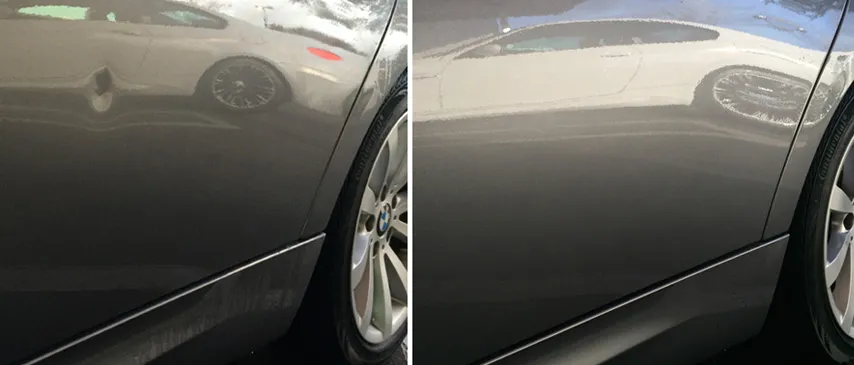
When searching for auto body repairs, pricing is usually the most critical factor. Traditional body shops are notorious for writing complicated estimates that include parts markup, hazmat fees, paint blending labor, and car rental costs. By contrast, Paintless Dent Repair (PDR) pricing is significantly more straightforward, as it centers purely around skilled labor.
But how exactly are PDR estimates calculated, and what should you expect to pay for door dings, creases, and collision damage in the Dallas-Fort Worth metroplex? Here is a look at the factors that shape your estimate.
The Four Factors That Determine PDR Costs
Unlike traditional shops that base estimates on standardized database programs (like Audatex), PDR pricing is based on four physical characteristics of the dent:
1. Dent Size (The Core Baseline)
The initial baseline of a PDR estimate is size. Technicians categorize dings by coin size:
- Dime to Nickel size: $95 – $125
- Quarter to Half-Dollar size: $125 – $175
- Tennis Ball size: $175 – $250
- Large or Oversized Dents (3"+): $250+ (calculated per inch)
2. Dent Depth and Sharpness
A shallow, soft dent is much easier to massage back to shape than a deep, sharp dent. If a dent was caused by a sharp object (like a shopping cart corner or a golf ball) and has a pointed center, the metal is tightly compressed. Sharp dents require significantly more precision and slow, microscopic pushes to restore, which adds to the labor cost.
3. Location and Access
Where is the dent located on the vehicle? If the dent is in the middle of a flat door panel with easy access through the window track, labor is fast. However, if the dent is:
- Directly on a stamped body line curve (requires double the massaging force).
- Behind a structural roof brace (requires removing headliners).
- On a double-walled panel where glue-pulling is the only option.
These access complexities will add to the final estimate.
"PDR estimates aren't about matching paints—they are about assessing the depth of the metal fatigue. A shallow dent takes minutes, while a deep crease on a body line takes hours."
4. Metal Type (Steel vs. Aluminum)
Aluminum panels are lighter but significantly stiffer than steel, possessing less natural structural "memory." Aluminum requires specialized tools, heat, and slow, heavy pushes to shape safely without fracturing the paint. Because aluminum is harder to repair, technicians typically add a 25% surcharge for aluminum panels.
Get a Quick, Guaranteed Price Estimate
The easiest way to get an accurate price is to snap 2 or 3 photos of the dent from different angles and text them directly to Paintless DR Mobile at 817-728-9500. We provide guaranteed upfront pricing within a few hours.
Frequently Asked Questions
How much does a simple door ding cost to repair? ➔
A standard, shallow door ding (about the size of a dime or quarter) located on a panel with easy backside access typically costs between $95 and $150. Additional dings on the same panel are usually discounted heavily when repaired during the same session.
Why does a dent on a body line cost more to fix? ➔
Body lines are structural folds stamped into sheet metal to give panels strength and aesthetic contours. When a dent occurs directly on a body line, the metal is twice as stiff and highly compressed, requiring significantly more skill, specialized tooling, and time to massage out safely.
Is hail damage repair fully covered by insurance? ➔
Yes, hail storm repair is covered under comprehensive auto insurance policies. Because we work directly with insurance adjusters and offer up to $500 or $1,000 in deductible assistance, our customers usually pay nothing out-of-pocket for hail restoration.